
01 / The business need
Design the sale. Understand the operation.
A store is not finished when a product looks good on a screen. Customers need the right details at the right moment, while your team needs orders and inventory they can work with. Start by following one real order from first browse to fulfillment.
A practical guide to the decisions involved. The additional explanations on this page are planning guidance; the agreed proposal defines deliverables, timing, fees and responsibilities.
Products are hard to compare.
Catalog structure, filters, variants and product information should reflect how customers choose—not just how inventory is stored.
Checkout creates avoidable questions.
Payment choices, delivery costs, policies and availability need to be understandable before a shopper commits.
Staff re-enter the same information.
Repeated manual work can point to an integration need. Map where stock, order and customer information should live.
02 / How the pieces connect
One purchase. Four connected decisions.
Each step creates a different kind of question. A considered store answers it without losing sight of what your operations team needs afterward.
-
01 / Buying journey
Discover
Categories, search and filters help shoppers reach a relevant product.
-
02 / Buying journey
Decide
Photos, specifications, variants and policies make the offer understandable.
-
03 / Buying journey
Purchase
Availability, delivery and payment details support a clear checkout.
-
04 / Buying journey
Fulfill
Order information reaches the people and systems responsible for the next step.
03 / Service overview
E-commerce sites,
in detail.
E-commerce / Cosmick Media
Service summary
- Pricing
- Custom quote Typically from $8,000 Custom quote based on features and complexity
- Typical timeline
- 6-12 weeks
- Category
- E-commerce
- Availability
- Accepting new projects
Weekdays, 9am–6pm.
E-commerce Featured service
Custom e-commerce solutions that provide exceptional shopping experiences and drive online sales.
Launch your online store with our comprehensive e-commerce website development services. We build powerful, scalable e-commerce platforms that drive sales and provide exceptional shopping experiences for your customers.
Our e-commerce solutions are built on proven platforms like WooCommerce and Shopify, customized to meet your specific business needs. From product catalog management to payment processing, we handle every aspect of your online store.
We understand that every e-commerce business is unique, which is why we create custom solutions tailored to your products, target audience, and business goals. Our e-commerce websites are designed to convert visitors into customers and scale with your business growth.
What’s included
Why it works
How the work runs
04 / Documented website work
A reservation journey with real operational rules.
The South Carolina Dog Club write-up describes a custom WordPress and WooCommerce platform with live listings, breed and gender filters, detailed profiles and online deposits through Authorize.net or PayPal. A listing comes down after a deposit is paid.
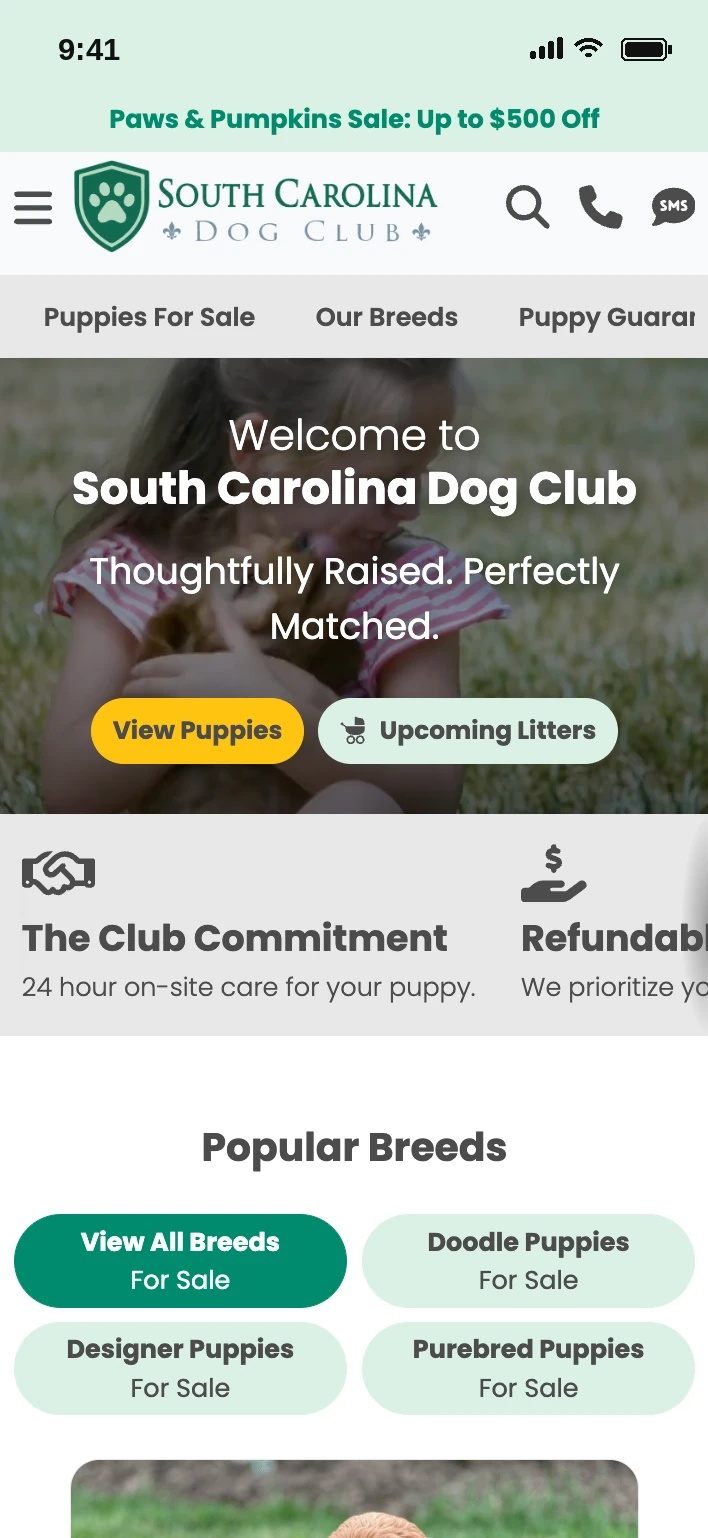

Desktop / Full capture South Carolina Dog Club
The useful connection A deposit is more than a checkout option: it changes availability. This project connects the customer’s action with the rules the business needs to follow.
What this example establishes This is a documented feature example, not a sales-performance case study. Payment providers, inventory rules and suitability are specific to each business.
Read the project : South Carolina Dog Club05 / A working approach
Plan the store
in the right order.
A discussion framework, adapted to the project. Not a fixed package or delivery schedule.
-
Trace the order
Review the catalog, customer types, payment requirements, shipping rules and what happens when an order arrives.
-
Choose the foundation
Consider WooCommerce or Shopify against your needs, integrations, team and ongoing operating costs.
-
Build the buying path
Develop product discovery, product information and checkout around agreed business rules and real catalog examples.
-
Test the exceptions
Agree on checks for payments, stock changes, notifications and refunds, along with handoff and ongoing ownership.
06 / Before we talk
E-commerce
questions, answered.
Bring this to the conversation.
- A representative product list, including complex variants
- Shipping, payment, tax and returns requirements
- Inventory, fulfillment and accounting systems in use
WooCommerce or Shopify?
Neither is the right answer for every store. The decision depends on product complexity, integrations, internal skills, ownership preferences and the full operating cost—not simply the platform’s headline subscription price.
Can we move an existing store?
A migration needs an inventory of products, variants, images, customer information, order history and important URLs. What can move depends on export access and the destination platform. Payment data and customer passwords can have additional restrictions.
Who decides tax, shipping and return policies?
Your business remains responsible for its commercial and legal policies. Bring approved rules and consult your tax or legal advisers where needed. The implementation should reflect those decisions rather than inventing them.
Selected work
Recent project write-ups

Calming Buddy
Shopify ecommerce website for Calming Buddy, a heartbeat plush and New Puppy Kit brand, with detailed product pages, cart upsells, reviews and…

Anatomical Justice
Custom WooCommerce website for Anatomical Justice in Nazareth, PA, with a stock medical illustration store, anatomical region search, a medical…
Dynalene
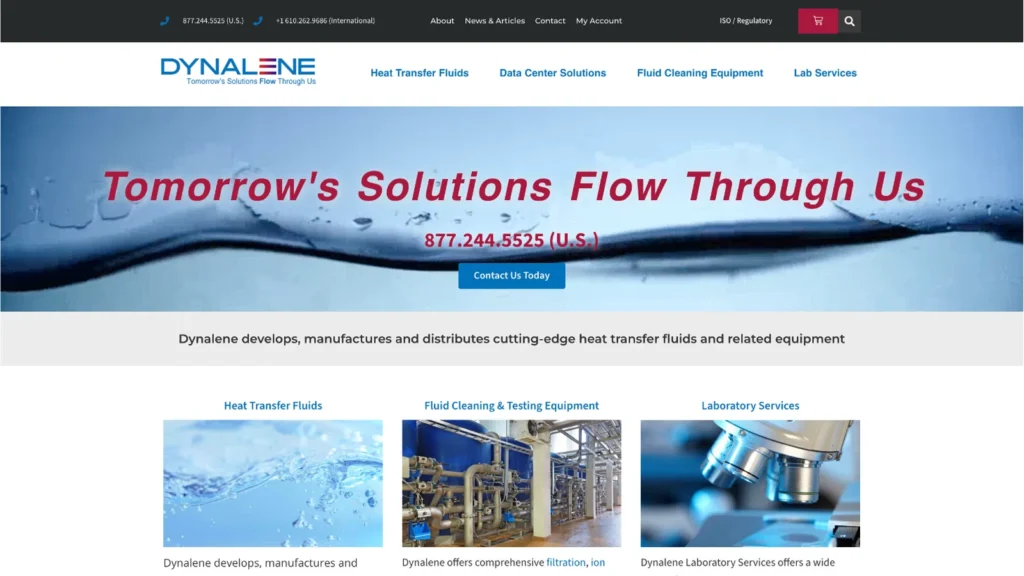
Custom WordPress and WooCommerce website for Dynalene in Whitehall, PA, with heat transfer fluid categories, a fluid selection guide, an SDS eLibrary…
Next step
Tell us about the project.
A few details about where things stand is enough to start. We’ll come back with what we’d do and what it would take.